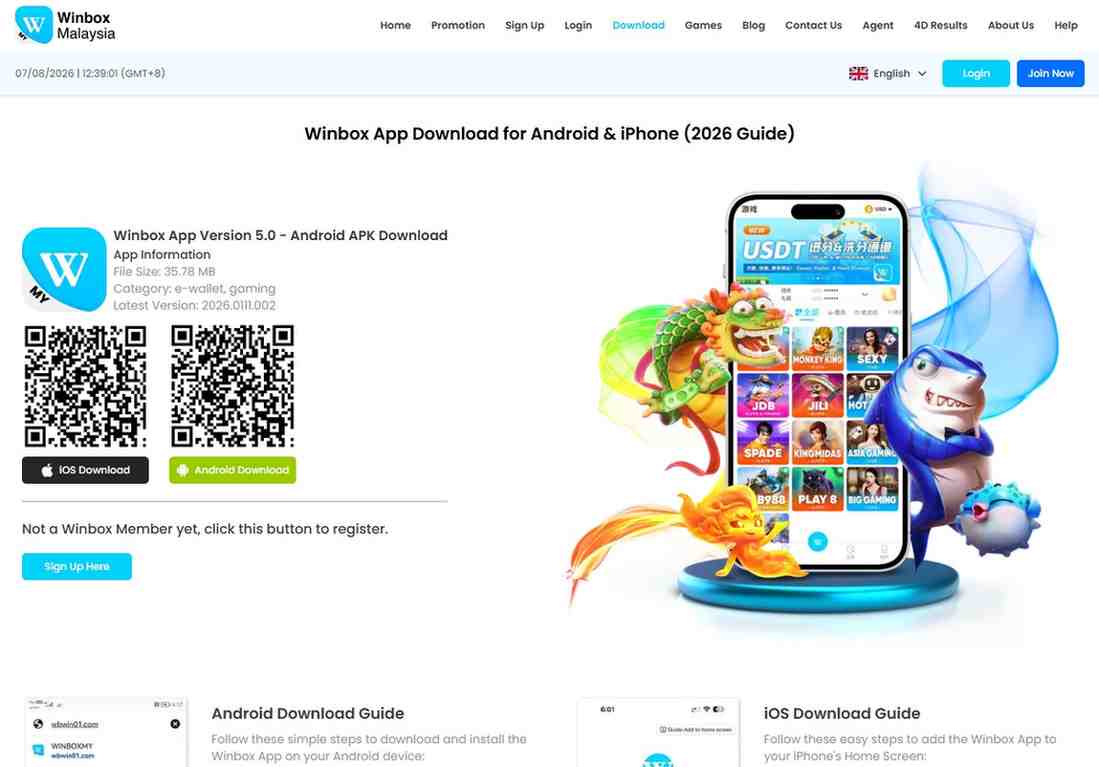
Browser-based gaming platforms make account access much easier compared to traditional methods. Instead of using a separate application, you can create your account and access and manage your game information with your browser.
Although convenience is key, rushing the setup process is a bad idea. Choices made at the account setup stage affect the security of your account, your browser, account verification, and the way you recover your account in the future.
The aim for first-time users should be to figure out how to create an account that works and how to set security habits for the browser so that you are ready to use the game platform.
These ten steps should help you avoid possible problems later on and simplify the first account setup.
1. Confirm That You Are Using the Intended Website
Before entering your information, you need to double-check that you are on the website you intended to access.
There are several reasons for a user to get confused. Some gaming websites have related websites that contain login page portals, mobile pages, H5 versions, regional websites, etc.
Before you enter your personal information into a site, consider:
- the whole domain name
- HTTPS connection
- page branding and navigation
- whether the pages for registration and login are for the website you are interested in
- suspicious redirects to different websites
This is a brief explanation of how to verify a login page. However, this practice should be used outside of gaming. Hackers make phishing pages that pretend to be a login page in order to steal the user’s information and credit card data.
Judging by the branding, users who access Winbox Asia or any other regional page should verify the address before entering their account data, instead of assuming that since they are branded the same that they are the same websites.
2. Use Accurate Information During Registration
Registration forms typically go through the “complete-as-fast-as-possible”Italic text treatment, and users risk creating many problems due to inaccuracies.
If a form requires a name, mobile phone number, email address, preferred currency, or banking details, users must verify that the information provided is accurate and consistent.
Why?
- Many reasons may require the user to enter account information during the lifetime of that account.
- A user may need to recover their account as a result of the user forgetting the password.
- Account information may likely be required to verify the identity of the user.
- Account information may be required to facilitate payment.
- A user support agent may require the account information to verify that the user is the true owner of the account.
An inaccurate phone number prevents verification code from being delivered, while an incorrectly typed email address makes password recovery difficult. Variations in account and payment-related information also activate a verification process.
The time a user spends verifying their provided information on the registration form (30 seconds) will save a lot more time when the user might need to contact a support agent (a lot more time).
3. Create a Unique Password From the Beginning
Reusing a previously used password is convenient, but it exposes users to unnecessary risks.
Users are potentially exposing multiple accounts when the same password is used for email, shopping, gaming, social media, and other accounts.
The UK’s National Cyber Security Centre encourages the use of different passwords for accounts that are of importance to users and states that password managers can assist users in creating and remembering passwords.
A secure password is unique to the account, long enough to discourage simple guessing, and stored safely. A good password is designed to be difficult to guess. Password Managers are great tools to help users save all their different good passwords for all their multiple accounts.
Using common words or phrases such as phone numbers, birth dates, or names to create a passcode is an insecure practice.
4. Secure the Email and Phone Number Connected to the Account
An account is as secure as its recovery channels.
If someone knows the email account related to an account, they could request password resets or intercept security messages. The same concern applies to phone-based recovery.
Users should secure their primary email account independently.
Where available, enable two-step verification. The National Cyber Security Centre explains that two-step verification helps protect accounts, even if someone knows the password.
The Cybersecurity and Infrastructure Security Agency similarly recommends using multifactor authentication (in place of two-step verification) because it helps protect accounts, as well.
5. Understand What H5 Access Actually Means
Not knowing the difference between browser access and mobile application access is understandable, as the two are obviously related.
The H5 interface enables web platforms to provide a mobile-friendly experience without an application. Users access the web pages instead of downloading and installing application packages.
With H5 Winbox, this option that uses a browser is great for those that prefer accessing something without having to manage yet another app on their device.
Of course, there are other things that come into play with browsers that can affect performance like browser updates, browser permissions, network state, cookies, cached files, and browser cache.
6. Keep Your Browser and Device Updated
Software updates can be annoying, especially if your device seems to be working fine. But don’t forget they help create and sustain a functioning environment.
The NCSC advises installing updates for the software and the applications. Security updates may be included.
Before using an H5 platform regularly, make sure:
- The mobile operating system is up to date.
- The browser is also up to date.
- Important security updates are installed.
- The device is not running unsupported software.
7. Allow Necessary Cookies Without Disabling Privacy Controls Blindly
Modern web platforms use cookies to manage sessions and remember preferences.
Google uses cookies to help webpages remember your preferences and stay logged in.
Just because privacy features are available doesn’t mean everything should be disabled.
When you experience login issues, check to see whether your browser has a settings blocker. Privacy-focused browsers, content blockers, private browsing, and cookie settings that are too restrictive can all impede account sessions.
Having everything disabled is not a good idea, but focusing on selecting privacy and security features provides a good balance.
8. Know When Clearing Cache and Cookies Can Help
To quickly get to a website, a browser downloads and stores frequently accessed data. Although this leads to quicker loading, this data can sometimes conflict with the latest website data.
According to Google, clearing data caches and cookies can resolve some issues with websites loading and their formatting.
If you encounter any of the following issues, try steps listed in the table below.
| Problem | Possible first step |
| Page displays incorrectly | Refresh, then clear relevant cached data |
| Login page repeatedly reloads | Check cookies and browser settings |
| Old interface continues appearing | Clear cached site files |
| Sign-in session behaves strangely | Log out and restart the browser |
| One browser fails but another works | Review extensions, permissions, and stored site data |
Remember that clearing cookies logs you out of websites, so have your login information saved before doing that.
9. Avoid Staying Signed In on Shared Devices
Features like autologin should never be put to use on devices that are shared.
Sharing devices like computers in public places, hotels, workstations in cybercafes, etc. should never be considered trusted devices.
If use on shared devices can not be avoided, passwords should not be saved and the account should be logged out.
This is important because web applications maintain sessions after login. The OWASP guidance on security of web applications focuses on maintaining authenticated user sessions.
A device unlocked password should be used in tandem with other security measures to protect data on a personal device. Without it, someone could access not only your device, but also everything you do on that device, including any games you play.
10. Set Personal Limits Before Using Real-Money Features
Responsible gaming also involves making financial decisions after setting a limit.
Before playing real-money games, you should determine how much time and how much money you are willing to spend.
These expenses should not be considered part of your household budget. Funds allocated to entertainment should, in no way, be taken from budgets designated for rent, bills, savings, debt, food, education or any other essential thing.
Some examples of boundaries you can set are:
- Entertainment fund cap
- Max session length
- Scheduled breaks
- Breaking your own boundaries
- Checking transactions
Along with these boundaries that you set, you should check to see how many responsible gaming restrictions the site has for its customers.
The most important thing to remember is that gambling should never be your only, or even close to your primary source of income. There is always the chance you will lose.
Last but not least, you must be of legal age and follow the laws and regulations of your area.
A Simple First-Time Setup Checklist
Want to make sure your account is ready? Just follow these simple steps.
| Setup area | What to verify |
| Website | Correct domain and secure connection |
| Registration | Accurate contact and profile information |
| Password | Strong and unique |
| Recovery | Email and phone access confirmed |
| Extra security | Two-step verification enabled where available |
| Browser | Current and compatible |
| Cookies | Required functionality permitted |
| Device | Screen lock and security updates enabled |
| Sessions | No unnecessary shared-device logins |
| Spending | Personal limits established beforehand |
Completing these things provides a reliable starting point for using the account as opposed to registering quickly and working to resolve issues that arise later on.
Final Thoughts
Getting your first H5 account set up is not about rushing through registration, but more about getting the basics right.
Verify your website, use accurate info, set up secure accounts (personal spending limits and recovery), keep up-to-date browser with appropriate session and update protection, lock your device and set time limits, and ensure all responsible financial and time activities are protected.