In Nigeria, traditional sports are a cultural treasure of the country. With the passing of the years, these traditions have been lands in multiple regions of Nigeria and are still maintained in most communities. They hold a rich cultural significance and a deep-rooted expression of communality, agility and social interaction in Nigeria. In this paper, the author will be addressing the various forms of traditional sports, the purposes they serve and their continued relative importance in the modern age. Start your Mostbet registration today and read more!
Overview of Traditional Sports in Nigeria
There are a multitude of traditional sports in Nigeria tailoring to the different cutlures and regions of the country. Unlike mainstream sports such as football and basketball, traditional sports still hold cultural, social and recreational importance and understanding this importance helps to understand the role of traditional sports in modern Nigeria.
The Role of Sports in Nigerian Society
In every Nigerian society, sports such as traditional games have been a part of the folk engagements and are performed during festivals, and communal events. They enhance social interaction, serve as means of fun, and act as a display of superior physical and artistic skills. in rural areas, these engagements still serve as a means of fun, competition and a way to instill cooperation and discipline in children.
Differences Between Traditional Games and Modern Sports
There are differences in structure, rules, and purpose in regard to traditional games and modern sports. For instance, there are commercial and standardized modern sports, while traditional games are community based, and more flexible. They use customs from different cultures, and do not require formal governing. There are more open, age adaptable participation, and simple local sourcing of materials used to create of sport game. Traditional games have games have a unique character because of their heritage and authenticity.
Key Types of Traditional Games
Sporting engagements in Nigeria are traditional to its diverse ethnic cultures, although a number remain widely practiced. Nigeria’s traditional sports is most known, and its main features is described in this section.
Popular Traditional Sports and Games in Nigeria
Many local activities have become popular outside their ethnic origins. Popular engagements include: Ayo (Mancala), Dambe boxing, Kokawa wrestling, and Langa, as well as many other children’s games that are played in rural and urban village communities. These games are popular across rural and urban communities, and as a result of their unique cultural importance, they contribute to the protected social heritage of Nigeria.
Ayo (Mancala)
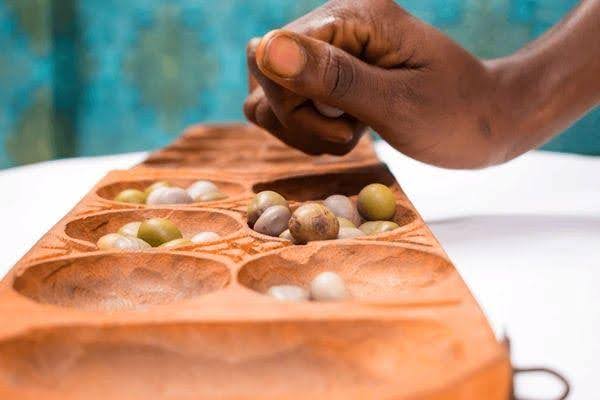
This game, known as Mancala, is played all over the world, but most notably among the Yoruba people, as it is popular among them. It involves a wooden board with holes in it, a total of twelve, and seeds or small stones to function as the game pieces. Players make a strategy to capture their opponent’s seeds. This game strengthens the logic and decision making of a player. It also is popular for socializing in the community and is sighted in markets, community centers, or gatherings all over.
Dambe Boxing
This martial art is commonly associated with the Hausa people, it is also, traditionally a form of fighting. It is said to have historical links to the butchers guild, it includes fighting by wrapping one hand with a piece of rope, the other hand is used for blocking. Stamina, agility, and coordination is what fighters hope to attain from the training. This fighting is popular during big events and gatherings. Although the art of fighting is simple, it also involves a lot of technique and cultural rituals that are well refined.
Kokawa Wrestling
Kokawa wrestling is one of the most common forms of wrestling in the northern part of Nigeria. This form of wrestling emphasizes the development of strength, balance, and different grappling skills, and the competitors are required to try to throw their opponents to the ground using specific moves in a controlled manner. Kokawa wrestling has become very popular in the northern part of Nigeria among the youth, especially during the regional competitions. Kokawa wrestling is also considered a form of entertainment during various community functions, and it helps the participants get in and stay in shape.
Langa Dance and Games
Langa is a game of one-leg jumping that is primarily played by children. This game is a test of balance, coordination, and endurance. Children try to tag other players in the game, or move in a way that avoids being tagged. In some areas, the game is played with large groups of children who perform synchronized movements and create elaborate patterns, adding a choreographed appearance to the game. Langa jumping is a very common game in many communities, and it is popular among children since it requires no equipment.
Activities and Practices in Local Communities
In addition to widely recognized sports, several cultural groups also partake in several other localized engagements, such as mock hunting, traditional relay racing, and rope skipping. These engagements focus more on the social aspect and help people interact with each other and exercise at the same time. They also center around various social functions like passage rites, rites of spring, harvest, or other cultural group celebrations, showcasing the diversity of social integration in traditional sports. Such traditional games and sports are part of the promotion and preservation of traditional practices and are often considered essential for youth empowerment and physical engagements in local cultural groups. Many of these practices are passed down through generations and continue to thrive across generations in an intergenerational manner.
Cultural Significance of Traditional Sports
The Nigerian traditional sports value is not only in entertainment. They act as markers of culture helping in the streamline of engagement in the historical tapestry. At a global level, organizations like UNESCO, the International Council of Traditional Sports (ICTSG), and other sports federations recognize the universal heritage represented by these games. Their promotion and development of traditional sports is supported by the UNESCO Advisory Committee and similar bodies to revitalize and maintain the traditions worldwide.
Traditional Sports as Cultural Heritage
Traditionally played games in Nigeria reflect the values, beliefs, and the social order of a given cultural group in society, thus forming a part of the cultural inheritance. The rules of the games are passed down through generations orally by the elders ensuring that continuity is achieved. In some areas, popular games such as Ayo and Kokawa are emblematic of the culture and foster a sense of togetherness in families and the larger cultural group. These practices are promoted at international platforms and by federations to ensure the preservation of traditional games. Recognized representatives from countries like Pakistan, Turkey, Iran, and Kazakhstan collaborate with organizations like ICTSG to promote these games globally.
Intangible Cultural Heritage and Its Preservation
Due to the skills, knowledge, and traditions that accompany them, most traditional games are considered intangible cultural heritage. Preservation of these games involves documentation, educational initiatives, and active participation of the cultural group. In the recent past, institutional and local initiatives, alongside international associations of traditional wrestling and other sports federations, have intensified efforts aimed at preservation of traditional games that are at risk of disappearing due to modernization and urban development. Programs connected to TSG activities, Mineps III, and physical education emphasize the role of these games in promoting global health and youth empowerment. These activities originate in local cultural groups but have gained global recognition as part of the world’s heritage.
Integration of Traditional Games in Modern Society
The modernization of Nigeria comes with a gradual incorporation of traditional sports, which is vital in ensuring that traditional games and sports continue to live on in individual or collective manner.
Sustainable Practices for Keeping Traditional Games Alive
Efforts must be ongoing for these activities to be fully integrated into school systems, youth centers, cultural festivals, and beyond, and cultural group members and educators are collaborating to do just that. With the assistance and involvement of cultural group leaders to keep the interest alive, interest can be maintained through the simple materials and the trained instructors. Digital media is also modern and effective for documenting the rules and raising awareness to the younger demographics.
Registering and Promoting Traditional Sports Activities
Standardization and registration is sought for traditional sports through new programs from various organizations. Inclusion of traditional games in cultural showcases and national sports events, in addition to tourism, is the goal of these initiatives. The promotion of cultural group involvement, cultural awareness, and health benefits from traditional sports is also sought.
Conclusion
The traditional sports of Nigeria are cultural treasures for Nigeria and will cope untrendy to modern times of promotion integrated into contemporary settings. They express the various social fabrics and identities of the different peoples and communities in Nigeria and emphasize the social cohesion and identity of the community. Nigerians engage in and promote the long-preserved customs, values, and skills of their heritage for centuries through games like Kokawa, Ayo, Langa, and Dambe. These traditional sports are and will be important in ensuring popularity among coming generations.
FAQ
What Are the Most Popular Traditional Sports in Nigeria?
Some of the most treasured traditional sports in Nigeria have cultural significance and most of them practiced in various regions of the country. These include Ayo (Mancala), Dambe boxing, Kokawa wrestling, and Langa.
How Do Traditional Sports Reflect Nigerian Culture?
The rules, rituals, and social structure of the aforementioned sports embody Nigerian culture in various ways. These sports advocate for unity in the community and provide a means of preserving culture, especially those customs that have been in existence for many generations.
Can Traditional Games Be Played in Modern Schools?
Yes, there are many traditional games that can be played in modern schools. They promote the development of physical coordination, critical thinking, and social skills among students and they require little or no equipment.
How Is Traditional Sports and Games Preserved for Future Generations?
The most evident ways of preserving these games and sports include community-based learning, cultural festivals, school programs, and documentation. They are aimed at keeping the knowledge alive and inspiring the youth.
Are There International Competitions for Nigerian Traditional Sports?
Some Nigerian traditional sports are taking part in cultural exhibitions, diaspora events, and international heritage activities. Although this is a rare phenomenon, there are attempts to Popularize these activities among the masses.