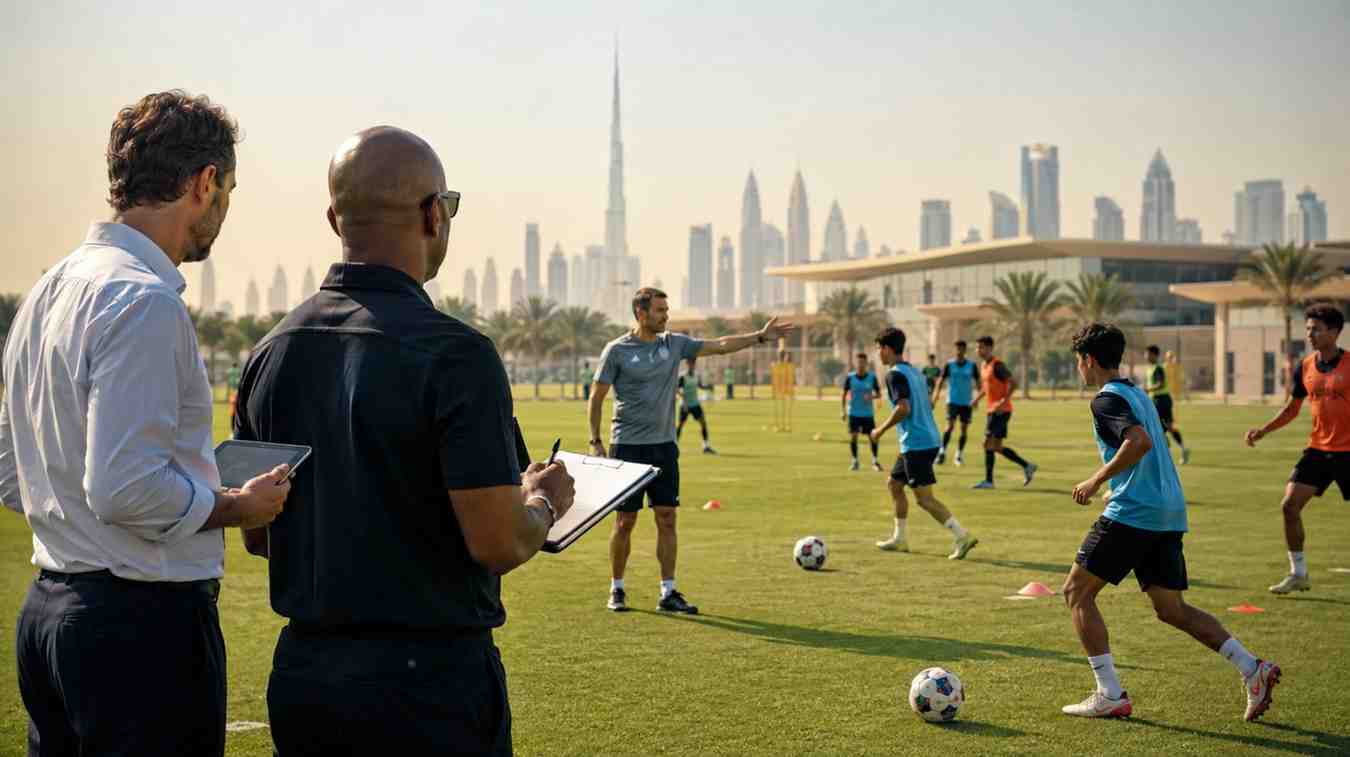
The Middle East, for a long time, was regarded as a place for veteran players to retire. It’s time to retire that attitude. In the region, academies are more organised, have greater budgets and are more integrated with the international scouting marketplace.
It’s not just about money.
It’s about the infrastructure, standards of coaching and a younger generation that now view football as a serious avenue. It’s no longer a region of importation. It aims to develop players that can play outside their local leagues.
Why academies are becoming more important
In modern soccer recruiting, the process begins at a young age. Clubs do not begin monitoring a player when he reaches 20. They are seeking information, video, hands-on testing and technical documentation in the teen years. Here’s where academies can help.
With the move to a digital sports landscape, https://1mlnbet.com/ is an impartial online sports betting website. The presence of it is fitting to how modern football fans follow the sport on multiple devices.
There is a process of improvement in the Middle Eastern academies, mainly due to the fact that they are beginning to borrow from the European model while incorporating local needs. It’s all about better pitches, regular tournaments and qualified coaches. So does the ability to introduce the young players to foreign opposition at an earlier age.
What scouts look for now
Flashy skills aren’t the only thing being sought after by recruitment teams. They often follow a number of real world traits:
- first touch under pressure;
- decision-making in tight spaces;
- speed over short distances;
- tactical discipline without the ball;
- attitude during difficult matches.
That last is a point that is underestimated. If a young talent is not very physical, he is less credible at the senior level.
The talent map encompasses the Gulf, North Africa and the rest of the world.
The Gulf, North Africa and the wider talent map
Wherever it is, there are football facilities in Gulf countries, but the region is not all the same. The objectives of Qatar have been on long-term development systems. Saudi Arabia is promoting visibility in its leagues and youth. UAE has established academies that are connected to clubs and private training projects.
The North African influence is also significant. Morocco, Egypt and Tunisia have a more entrenched football culture for example and have a closer relationship to European recruitment. The next interesting part for many scouts will be to see how Middle Eastern academies link with these existing talent routes.
The most impressive buildings will not be the best academies. It will be they that will form competitive habits. Young players should be challenged on matches and not necessarily “challenged” on training sessions.
What this means for global recruitment
European clubs are always on the lookout for undervalued markets. South America and Africa are still vital, but the Middle East will be more relevant in the future if more players come out with good tactical education from the academies.
Credibility will be the key. Scouts require consistent competition, player information and evidence that they can cope with higher leagues in the academy. Otherwise, it’s hard to gauge talent.
It’s unlikely that there will be a sudden influx of Middle-Eastern celebrities in the future. It will be slower. First, there will be more players going to second tier European clubs. Then a few will rise up higher. Typically, a new recruitment marketplace is created this way.