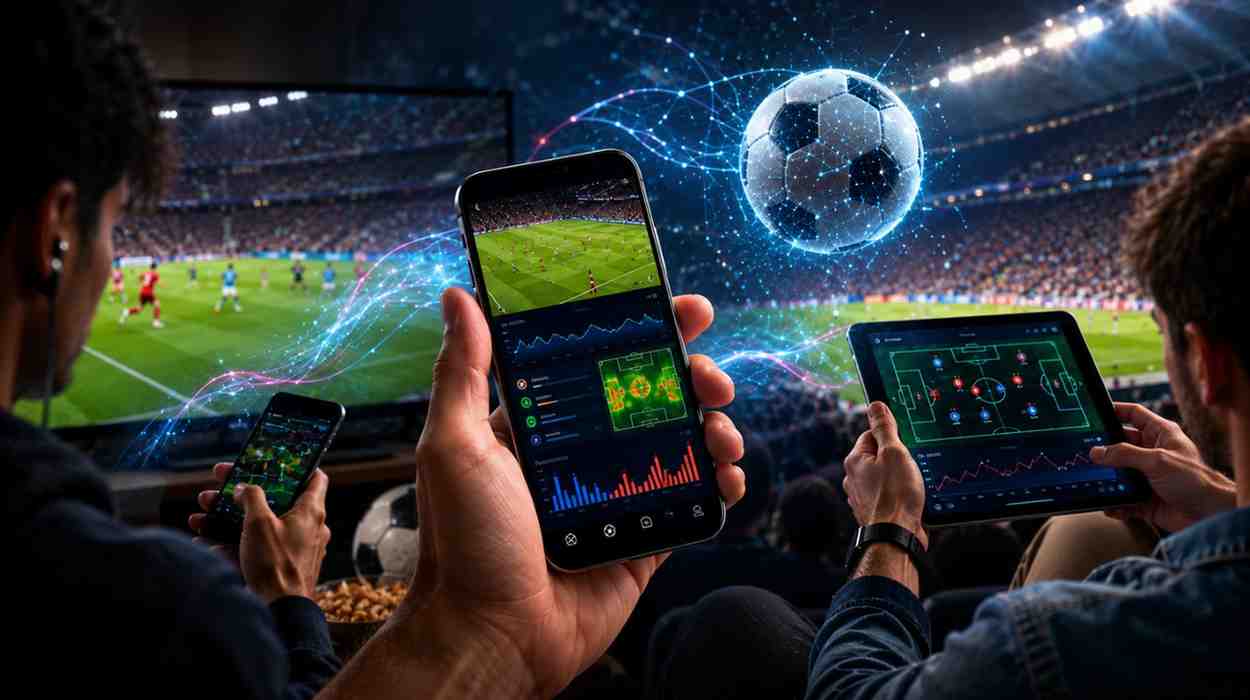
The way people follow sports has changed dramatically over the last decade. Modern fans no longer rely only on television broadcasts or traditional commentary to stay connected with matches and teams. In today’s digital sports ecosystem, Betwinner and similar platforms reflect how mobile technologies became central to the modern sports experience. Prediction apps now provide real-time statistics, live analysis, and personalized updates that completely transformed how audiences consume sports content.
Sports consumption is no longer limited to watching matches from beginning to end. Fans interact with games continuously through smartphones, notifications, live statistics, and predictive analytics. This evolution created a faster, more interactive, and highly personalized digital environment around sports.
Mobile Apps Changed Fan Behavior
One of the biggest transformations caused by mobile prediction apps is the change in fan behavior. Many sports fans now follow multiple matches simultaneously through mobile devices instead of focusing on a single televised event.
Real-time notifications, instant updates, and predictive dashboards keep users constantly engaged throughout the day. Sports became a continuous digital activity rather than a scheduled television experience.
Modern apps allow users to access:
- live match statistics;
- predictive insights;
- instant score updates;
- tactical analysis;
- player performance data.
This constant flow of information increases interaction and keeps audiences connected even when they are away from televisions or stadiums.
Real-Time Data Became Essential
Speed is now one of the most important elements in sports media. Fans expect immediate access to information during matches, and prediction apps are designed to satisfy this demand.
Real-time data allows users to follow momentum changes, possession trends, expected goals, and tactical developments within seconds. Instead of waiting for post-match analysis, fans receive instant updates while events are unfolding.
This transformation changed audience expectations completely. Many users now consider live data and predictions just as important as the match itself.
Artificial Intelligence Improved Predictions
Artificial intelligence plays a major role in modern prediction platforms. AI systems process enormous amounts of sports data to generate forecasts and identify patterns during live events.
These systems analyze team performance, player statistics, tactical tendencies, injuries, and historical results to produce dynamic predictions. As more data becomes available, algorithms continue improving their accuracy.
Machine learning technologies also personalize the experience for users. Apps can adapt content and recommendations according to individual interests and viewing habits.
Personalized Sports Feeds Increased Engagement
Modern prediction apps no longer provide the same experience to every user. Instead, algorithms create personalized feeds based on behavior, favorite teams, and interaction history.
For example, a football fan who frequently follows Premier League matches may receive specific notifications, predictions, and live statistics related to those games. This personalization increases user engagement and creates stronger digital habits.
Many apps now offer:
- customized match alerts;
- favorite team tracking;
- personalized statistics;
- AI-generated predictions;
- tailored sports news feeds.
This level of personalization keeps users connected to sports platforms throughout the entire day.
The Rise of Second-Screen Sports Consumption
Another major trend connected to prediction apps is second-screen consumption. Many fans now watch sports while simultaneously using smartphones or tablets to monitor statistics and predictions.
This behavior changed the role of mobile devices during live events. Smartphones are no longer secondary tools but essential parts of the viewing experience.
Fans often use prediction apps to:
- follow live tactical data;
- compare statistics;
- track player performance;
- monitor momentum changes;
- engage with real-time sports discussions.
This combination of live viewing and digital interaction created a completely new form of sports entertainment.
Short Attention Spans Changed Sports Media
Prediction apps also reflect broader changes in digital media consumption. Modern audiences often prefer quick updates, visual dashboards, and short-form content instead of lengthy traditional analysis.
Many users consume sports information through:
- instant notifications;
- short video highlights;
- interactive graphics;
- quick statistical summaries;
- live prediction updates.
This shift forced sports media companies to adapt to faster and more mobile-focused content formats.
Sports Platforms Compete Through Technology
Technology became one of the most important competitive factors in the sports industry. Platforms continuously invest in artificial intelligence, predictive analytics, and user experience improvements.
The quality of live data and prediction systems now strongly influences which apps users choose to follow. Speed, interface design, and personalization became critical components of modern sports platforms.
Some advanced applications even integrate:
- automated tactical analysis;
- real-time simulations;
- predictive probability systems;
- AI-powered recommendations;
- interactive match visualizations.
This technological competition continues accelerating innovation across the sports media landscape.
Clubs and Broadcasters Adapted to the Digital Era
Sports organizations also recognized the importance of mobile consumption. Football clubs, broadcasters, and leagues increasingly integrate mobile-focused content into their digital strategies.
Teams now publish live statistics, behind-the-scenes content, and interactive updates specifically designed for mobile audiences. Broadcasters also incorporate real-time analytics into television coverage to match modern viewer expectations.
As digital habits evolve, traditional sports media increasingly merges with technology-driven platforms and mobile ecosystems.
The Future of Sports Consumption
The future of sports consumption will likely become even more personalized and data-driven. Artificial intelligence, predictive analytics, and mobile technologies will continue shaping how fans interact with live events.
Future prediction apps may offer even more advanced experiences, including immersive visualizations, personalized AI assistants, and deeper real-time tactical analysis. Fans could eventually receive completely customized sports environments based on their interests and behavior patterns.
At the same time, sports audiences will probably continue moving toward mobile-first consumption habits. Smartphones and digital platforms are becoming central hubs for sports entertainment, replacing many traditional viewing models.
Mobile prediction apps transformed sports consumption because they changed speed, accessibility, and interaction. Modern fans no longer simply watch matches — they participate in a constant digital sports ecosystem powered by data, personalization, and real-time technology.