In football, fitness plays a crucial role in maintaining performance throughout a match. For those who regularly train or watch exciting matches on Xoilac TV, learning how to play football without getting tired can improve physical performance and reduce breathlessness during matches. Simply running more is not enough to build endurance: players need to pace themselves, control their breathing and choose the right moments to accelerate.
This article explains why players tire quickly and outlines training, nutrition and match-play approaches that can help them maintain better fitness.
What Does Playing Football Without Getting Tired Mean?
Playing football without getting tired means using methods that help you stay active for longer without becoming breathless too early. This does not mean feeling no fatigue at all, as football requires continuous movement, with frequent sprints, changes of direction and physical challenges.
To keep going throughout a match, players need to build a foundation of fitness, improve their breathing capacity and learn to pace themselves. A player who controls their speed will generally maintain performance better than someone who runs flat out from the opening minutes.
For beginners, tiring quickly often comes from a limited fitness base or difficulty adjusting the intensity of their movement. When watching football on Xoilac TV, fans can observe that professional players rarely run at maximum speed in every situation; they accelerate only when necessary.
How to Play Football Without Getting Tired by Controlling Your Pace
One of the most important principles of playing football without getting tired is pacing yourself. Rather than sprinting constantly, combine walking, jogging, running at a moderate pace and accelerating.
When you do not have the ball, actively assess the situation instead of constantly chasing opponents. If your position is already covered, moving at a moderate pace will help conserve energy.
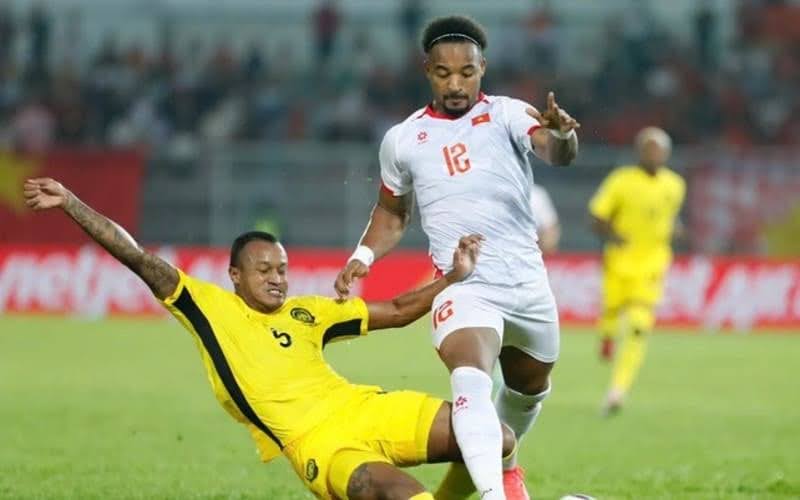
When an attacking opportunity arises, accelerate strongly to create space or reach the ball. After a sprint, return to a suitable pace rather than continuing to run at full speed.
This approach to managing energy is common among experienced players. They know when to accelerate, when to slow down and when to hold the right position while waiting for the next phase of play.
Breathing Techniques to Maintain Stamina
Breathing properly plays an important role in maintaining endurance. When running, try to keep a steady breathing rhythm instead of taking rapid, shallow breaths.
During moderate-intensity runs, you can maintain a steady rhythm of inhaling and exhaling. Your breathing will naturally become faster when you accelerate, but avoid panicking or holding your breath during physical challenges.
Beginners can practise breathing deeply through the nose during light activity and exhaling steadily through the mouth. Regular practice helps the body adapt better to the intensity of exercise.
Regular viewers of Xôi Lạc Z will notice that professional players often regain control of their breathing quickly after accelerating. This is the result of long-term fitness training, rather than football technique alone.
Exercises to Improve Football Endurance
To improve match performance, players should combine different forms of exercise rather than only playing football. Steady endurance running is a basic way to build cardiovascular fitness. Start with a manageable duration and gradually increase it as your body adapts.
Interval running is also well suited to football. Run slowly for a period, then accelerate before returning to your original pace. This exercise closely reflects the constantly changing intensity of movement during a match.
Squats, lunges, planks and calf raises also help strengthen the legs and core. Stronger muscles support running, changes of direction and physical challenges.
Watching Xoi Lac TV can also give players an opportunity to observe how professionals move off the ball, helping them learn about positioning and conserving energy.
Warm-Up and Recovery Before Playing
Warming up is a step you should not skip before playing football. A suitable warm-up raises body temperature, activates muscle groups and prepares the body for high-intensity activity.
Start with a light jog, then move on to joint rotations, high knees, leg swings and sideways movements. Finish with a few short bursts of acceleration to get used to match intensity.
After a match, avoid stopping all movement abruptly. Walking or jogging very gently for a few minutes helps the body gradually return to a resting state.
Getting enough sleep and allowing time to recover between training sessions are also important. Training too frequently without adequate rest can reduce physical performance rather than improve it.
Nutrition to Support Endurance
Nutrition directly affects physical performance. Before playing football, prioritise foods that provide easily digestible carbohydrates, such as rice, potatoes, bread or fruit.
Protein is also essential for muscle recovery after exercise. Common sources include lean meat, fish, eggs, milk and legumes.
Hydration is particularly important. Drink water before playing and take small amounts regularly during exercise rather than waiting until you feel thirsty.
Avoid eating a very large meal immediately before a match, as it can leave you feeling heavy and uncomfortable. Adjust meal times to give your body enough time to digest the food.
How to Play Football Without Getting Tired During a Match
To apply the principles of playing football without getting tired during a match, combine physical fitness with tactical awareness. Not every situation requires you to challenge for the ball at full speed.
When your team has possession, move intelligently to create space rather than running constantly. When the opposition has the ball, maintaining the team’s shape also reduces the need to cover excessive distances to support teammates.
Midfielders and forwards, in particular, need to choose the right moments to press. Constant, ineffective pressing can drain energy very quickly.
Watching matches on Xôi Lạc TV gives fans more opportunities to analyse how professional players manage their energy through different stages of a match.
Tracking Fitness and Football Performance Metrics
Alongside how you feel, you can track activity metrics to assess improvements in fitness. Distance covered, average speed, the number of accelerations and time spent active are all useful measures.
In professional football, teams also use movement-tracking systems to analyse player performance. These data help coaches adjust training programmes and reduce the risk of overexertion.
Fans interested in bxh bóng đá on Xoilac Z can also consider league positions alongside teams’ form and physical performance. Teams with a strong fitness base can often maintain a more consistent level of intensity throughout the season.
How to Play Football Without Getting Tired and Maintain Long-Term Performance
To maintain endurance, make fitness training a long-term habit. Avoid training intensely only immediately before a match and then taking a long break.
A sensible training schedule should include endurance days, speed sessions, strength training and recovery time. Adjust the intensity to your age, ability and physical condition.
Players should also watch for unusual symptoms such as dizziness, chest pain, unusual shortness of breath or exhaustion. If these occur, stop exercising and assess your health rather than forcing yourself to continue.
Alongside training, following football standings on Xoilac Tivi and keeping track of teams’ form can help football fans better understand the role fitness plays in sporting results.
Conclusion
Playing football without getting tired is not about trying to run as much as possible. It depends on pacing yourself, controlling your breathing, building endurance and choosing the right moments to accelerate. A solid fitness base combined with sound tactical thinking helps players maintain more consistent performance throughout a match.
Nutrition, rest and recovery also deserve attention. When these become regular habits, physical performance can improve significantly, helping players feel more confident in each match and reducing the tendency to become breathless too quickly.