North American Triple Stakes describes a tournament structure unlike anything the football calendar normally produces. Three host nations, thousands of kilometres between venues, climates ranging from humid coastal heat to high altitude thin air, and a schedule that asks squads to cross time zones between matches. For bettors, that combination creates pricing inefficiencies that simply do not exist in a single country tournament. This guide covers what the format actually changes, which markets deserve your attention, and how to structure a bankroll across several weeks of football at Socolive without burning through it during the group stage.
What the North American Triple Stakes format means for bettors
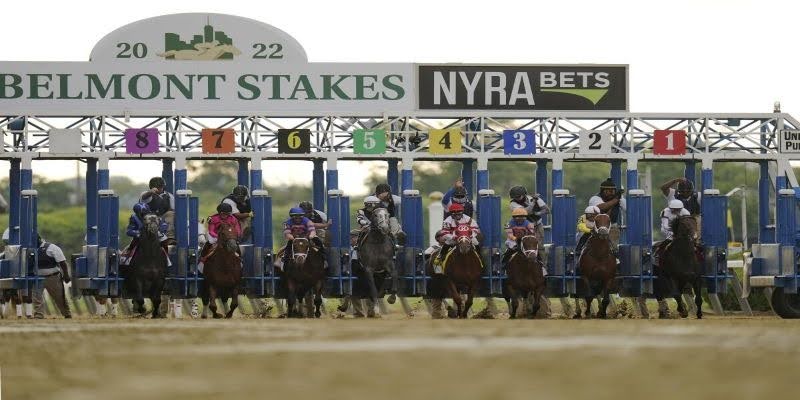
At trực tiếp bóng đá , Understanding the physical shape of the tournament comes first, because almost every edge in this competition traces back to logistics.
Three host nations, three playing environments
A team playing its opening fixture at sea level and its second at significant altitude faces a genuine physiological challenge. Recovery times lengthen, pressing intensity drops, and second half performance suffers measurably. Squads that acclimatise in advance hold an advantage the market rarely prices fully in the opening round.
Travel load between fixtures
Group assignments differ enormously in travel burden. One group may play all three matches within a few hundred kilometres, while another crosses a continent twice. Check the venue map before backing any group winner, because accumulated fatigue shows up most clearly in the third fixture when qualification is decided.
Climate and kick off timing
Midday kick offs in humid conditions slow tempo dramatically and suppress goal expectancy. Evening fixtures in cooler venues produce noticeably faster football. These differences are visible on the schedule weeks in advance, yet totals lines often fail to reflect them until money arrives.
Early market availability
Futures on the North American Triple Stakes open long before squads are confirmed, which means prices reflect reputation rather than current form. The tournament section at Socolive lists outrights early enough that a bettor tracking qualification form has a real information advantage over the opening line.
Core markets to know for North American Triple Stakes fixtures
Once you understand the environment, the next step is knowing where you can actually express a view.
- Outright winner. The headline market, priced months ahead and moving constantly as squads and draws are confirmed.
- Stage of elimination. Often better value than the outright, since it lets you back a strong side reaching a specific round rather than winning everything.
- Group qualification. A two way or three way market on progressing from the group, generally the most predictable of the futures options.
- Top scorer and player specials. Heavily influenced by draw path, since a player whose team reaches the later rounds simply gets more matches.
- Match handicaps and totals. The day to day markets, where climate and travel analysis pays off most directly.
- Host nation props. Specific markets on the three organising countries, frequently shortened by patriotic money rather than form.
The breadth available means North American Triple Stakes betting suits both long range planners and match day bettors. What matters is choosing one approach rather than drifting between them, because the research routines behind a futures position and a totals position have very little in common.
Before committing to any long term selection, compare the outright price against the stage of elimination equivalent. In many cases the second option delivers a similar return for a materially higher strike rate, and the tournament board at Socolive lists both side by side for easy comparison.
Building a staking plan for the North American Triple Stakes
A tournament this long punishes bettors who stake as though it were a single weekend of football.
Splitting your bankroll before a ball is kicked
Divide your tournament budget into three portions. Reserve roughly a quarter for futures placed before the opening match, half for match day betting across the group stage and knockouts, and keep the final quarter untouched as a reserve. That reserve exists to let you act on a genuine opportunity late in the tournament, not to recover losses.
Sizing match day positions correctly
There are dozens of fixtures across the group phase, and the temptation to bet every one is the single biggest threat to a tournament bankroll. Cap yourself at two positions per matchday and keep stakes flat at one to two percent. Volume does not create edge in this format, selectivity does.
Hedging an outright once the bracket narrows
If a futures position survives to the semi finals, the price will have shortened considerably. Laying part of that position against the remaining field locks in a guaranteed return regardless of the result. Cash out is available on most North American Triple Stakes outrights at Socolive, though taking a manual hedge in the opposing market often produces a better number than the automated figure.
Avoiding the group stage trap
Most tournament bankrolls are lost in the first ten days, when enthusiasm is highest and fixtures arrive daily. Set a hard limit on group stage exposure, ideally no more than forty percent of your match day allocation, so that you still have meaningful funds when the knockout rounds arrive and the quality of information is far higher.
Reviewing weekly rather than daily
A single matchday tells you nothing about whether your approach is working. Review your record once a week, categorised by market type, and drop whichever category is underperforming rather than increasing stakes to chase it back.
Applied consistently, a structured plan turns North American Triple Stakes betting from a month of impulse decisions into a measured campaign with a result you can actually learn from.
>> Read more: Cách xem trực tiếp bóng đá
Conclusion
North American Triple Stakes rewards bettors who treat the format itself as information. Three host nations mean travel, altitude and climate variables that a single country tournament never produces, and those variables reach the pitch long before they reach the odds. Study the venue map, compare outright prices against stage of elimination alternatives, and split your bankroll before the opening fixture rather than improvising as the schedule accelerates. Keep group stage exposure capped, hedge long positions once the bracket narrows, and review your record weekly by market category. The tournament section at Socolive opens futures early and lists match markets alongside them, which gives you everything needed to act on research rather than reputation. Stake flat, select carefully, and judge the campaign as a whole rather than by any single matchday.