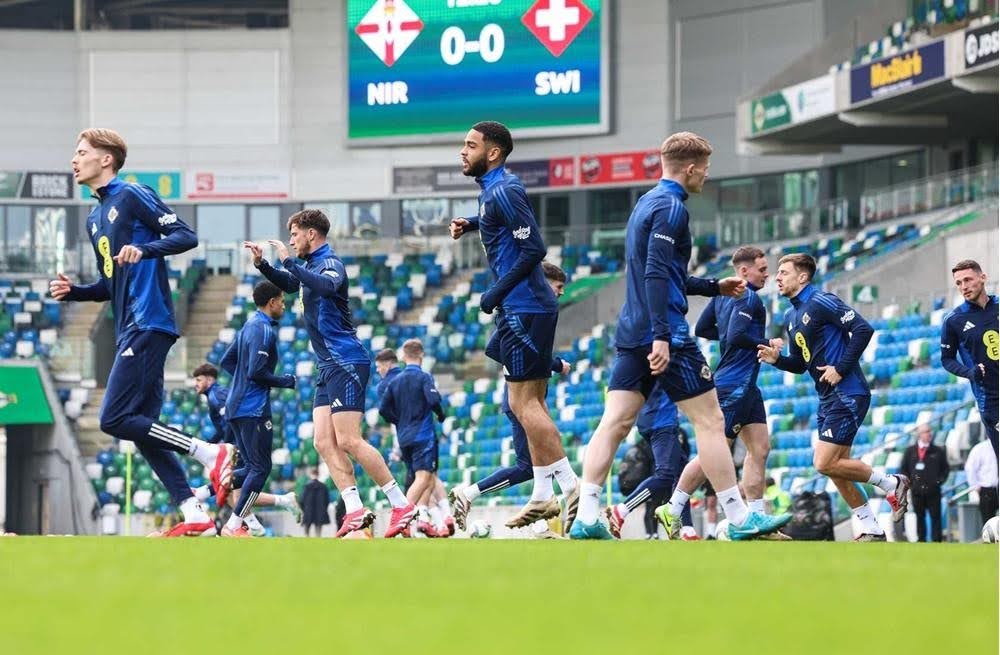
International breaks usually cause more disruption to club football than the normal week off. The first international break of the 2026/27 season will be longer than usual as FIFA have merged the September and October international windows. Between 21st September and 6th October, all international fixtures must be completed. With that in mind, the Premier League will take a break after Matchweek 5, returning after Matchweek 8.
The Premier League pauses after Matchweek 5 on 19–20 September and returns on 10–11 October. Users moving between football markets and sections such as casino online may see familiar clubs when domestic action resumes, but the information behind their pre-break prices can already be outdated. Fitness, travel and squad continuity all require reassessment.
1. Pre-Break Form Is Only Part of the Picture
Although the Premier League will have played 5 games before the break, a small sample size can be deceptive. A strong start can mask fitness issues, while a slow start can reflect the challenge players face in returning to peak match fitness after the break.
There is also the consideration of the international break itself. Some teams lose a large number of players to internationals. While other teams may be left relatively intact, and can train continuously for 3 weeks.
2. International Minutes and Travel Change the Calculation
The number of international fixtures in the break can mean a large disparity in players’ workloads. In the time off, some players may take part in multiple internationals and return extremely fatigued while others may not have left their clubs at all.
UEFA Nations League fixtures may also mean players return more fatigued than their teammates. For example, England will face Spain at Wembley.
When considering all these factors, pre-break form may not be as valuable as normally considered.
There are things to consider when looking at games after the break. How many starters got called up? Who started all the national team games? Were there injuries/knocks? How was the long distance travel? Who stayed with the club?
Two teams can have the same record before the break and come back with hugely different conditions.
3. Post-Break Betting Markets Need Reassessment
Prices may still reflect the last games before the break and may not take into consideration what happened to players during the international games.
For 1X2 markets, you may want to consider teams that have more players called up to internationals versus teams where the main players trained together.
Expectations for goals and player prop bets should also be adjusted based on players that trained together.
Lineups can help inform expected minutes for player prop bets.
When you register on the 1xBet official website, users in certain countries can receive an increased bonus for their first deposit using the promo code 1x_3831408. However, before they complete the registration process and make their first deposit, users should review the terms and conditions, as the amounts and conditions may vary by country.
4. International Headlines Can Distort Club Expectations
When the international break is over, if a striker scores, the club may be ready to cash in on him because they may be expecting club offers for him. However, if a defender makes a visible blunder, the club may not be expecting offers for him.
Club and international football have different sets of teammates and opponents, and often different formations and systems.
For example, a forward who is a goal threat for his country may return to his club and be in a role where he isn’t as involved in the attack. Sometimes, international form helps to judge what to expect, but often club role, opponent style, fitness and expected minutes play the largest role.
5. Live Betting Also Changes After the Restart
Sometimes, teams can need time to get back to their normal systems and routines, and may take a little while to get back into their normal passing patterns, pressing and attacking shape.
This may result in a disjointed and poor attacking display for the first 20-25 minutes of the game. This doesn’t mean the team will play poorly the entire game.
This is important for live totals and match result markets. An inactive start does not necessarily mean a low-scoring match and early defensive mistakes do not mean the set will remain open.
The Restart Creates a New Reference Point
The 21 September – 6 October window is longer and more condensed than the standard 2 match break. With up to 4 international matches in between Premier League games on 10-11 October, bringing assumptions from Matchweek 5 directly to the restart may overlook important changes.
Pre-break form still is important to consider, but so are international minutes, travel, fatigue, injuries and confirmed starting line-ups. The first couple rounds back after the international break should be treated as a separate period of assessing prices against the teams that return, rather than the teams that left for the break.