Pinball 789Club features the characteristics of an arcade game, where players control a metal ball moving across an inclined table and try to keep it within its designated area. Instead of using cards or dice to determine the outcome, the game relies on the ball’s physical movement and various interactive elements on the table. The flipper, bumper, target, ramp, and exit area all play a specific role, contributing to the scoring system throughout the game.
How does a pinball move on the table?
A pinball round begins when the ball is launched into the launch area and then travels onto the main table surface. The ball then undergoes the influence of the incline, the sides, and other components along its path before moving down to the area below. Players do not directly control the ball’s direction continuously but manipulate it using a flipper to change its trajectory at appropriate times.
The ball’s movement can therefore change very quickly after each impact. When it hits the bumper, the ball is often pushed in a different direction; when it passes over the ramp or lanes, the ball may be returned to another area of the table. It is this combination of natural movement and flipper maneuvering that creates the characteristic rhythm of Pinball.
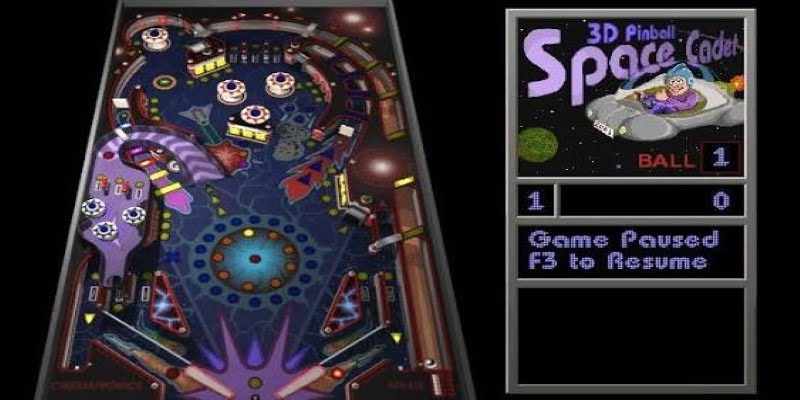
What role does the Flipper play in Pinball 789Club?
The flipper is the most important control device located at the end of the table. Players at 789 Club use the left and right flippers to hit the ball back up onto the table surface, while also limiting the possibility of the ball falling into the escape zone. The timing of activating the flipper directly affects the direction and power of the shot.
Not every shot needs to be executed immediately upon the ball’s appearance. When the ball is moving at varying speeds, players need to observe its position and direction before activating the flipper. Reacting at the right moment also allows the ball to land in bumper areas or target zones, rather than simply hitting it randomly.
How do Bumper, Slingshot, and Target score points?
Pinball tables typically feature several components used to record scores or alter ball trajectory. Bumpers can deflect the ball from the point of impact, while slingshots change the ball’s direction near the flippers. Targets usually register direct hits and, in many designs, are also used to trigger tasks, rewards, or special status effects.
Each part of the ball can create different interactions, so players shouldn’t just look at the score on the screen. A single hit on a target can have a direct value, but it can also unlock a subsequent target. Similarly, the ball bouncing through multiple bumpers in quick succession can create a scoring streak.
Bumper creates quick reflexes.
Bumpers are typically located above or in the center of the table. When the ball hits one, it deflects the ball in a different direction and can simultaneously add a point. If the ball continuously moves between multiple bumpers, the score can increase rapidly in a short period of time.
Target recorded specific hits.
Targets are the positions that players aim the ball at to score points or activate a function. Some tables have fixed targets, while other designs may use drop targets, meaning the target changes state after being hit.
Ramps and paths change direction of movement.
The ramp is one of the most notable areas on a pinball table because it allows the ball to travel along a clearly defined path. When the ball enters the ramp, its trajectory becomes more discernible for a short period before it returns to the table surface or is moved to another area.
In addition to ramps, some tables also have loops, lanes, or pathways designed to guide the ball around the table surface. These pathways not only serve for movement but can also be linked to objectives, bonus points, or specific tasks in each pinball design. Therefore, when familiarizing yourself with a particular table, players should observe the possible ball pathways rather than focusing solely on the area directly in front of the flipper.
What interactions determine the score?
Points in Pinball don’t necessarily come from a single type of target. Bumper, target, ramp, spinner, and many other components can be set to have their own value depending on the game’s design. Some tables even have multipliers or special tasks that cause the same shot to produce a higher value in a given state.
This makes the scorecard a crucial part of tracking progress. When a target is triggered or a special condition is met, the system may change how points are calculated for subsequent shots. Therefore, understanding the function of each zone is more helpful than simply trying to get the ball to a high-scoring position.
Conclude
Pinball 789Club is built upon a combination of ball movement and a series of interacting parts on the table. The flipper determines control, the bumper and slingshot create quick bounces, the target and ramp open up scoring opportunities, while the drain and outlane determine when a turn ends. Understanding the function of each area will help players easily track the action on the table and recognize how scores are formed with each ball impact.